
Are Bunions Affecting Your Everyday Life?

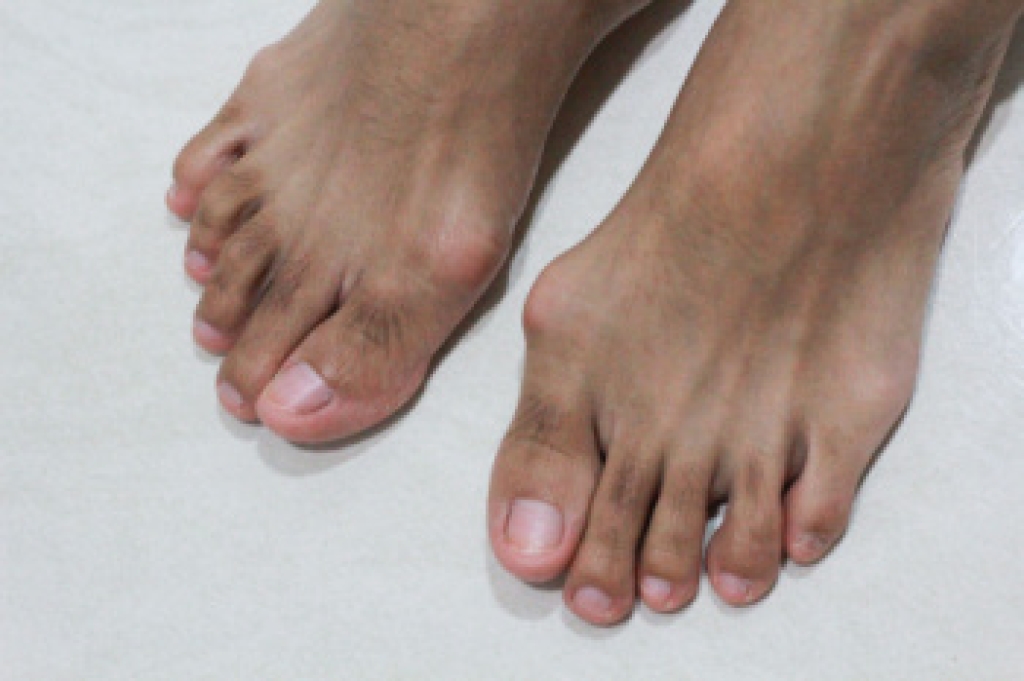
Have you noticed a bony protrusion on the side of your big toe? If so, you may have developed the foot condition known as a bunion. Don't let bunions interfere with your daily activities.

Heel Pain From Plantar Fasciitis

Plantar fasciitis is a common cause of heel pain that occurs when the thick band of tissue connecting the heel to the toes becomes inflamed. This is often due to overuse, improper footwear, obesity, or high-impact activities, such as running or jumping. The heel may look normal from the outside, but it can be tender to the touch and feel swollen in severe cases. Many individuals describe a sharp, stabbing pain with the first steps in the morning or after prolonged sitting, which can ease slightly with activity but worsen later in the day. Plantar fasciitis affects nearly 10 percent of the population at some point in their lives, making it one of the most common foot disorders. A podiatrist can diagnose the condition through a physical examination and gait analysis. Treatment may include stretching exercises, orthotics, supportive footwear, anti-inflammatory therapies, or advanced interventions for chronic cases. Early professional care helps reduce pain and prevent long-term complications. If you experience persistent heel discomfort, it is suggested that you make an appointment with a podiatrist.

Plantar fasciitis is a common foot condition that is often caused by a strain injury. If you are experiencing heel pain or symptoms of plantar fasciitis, contact Glenn Aufseeser, DPM from Lakewood Foot and Ankle Specialists. Our doctor can provide the care you need to keep you pain-free and on your feet.

What Is Plantar Fasciitis?

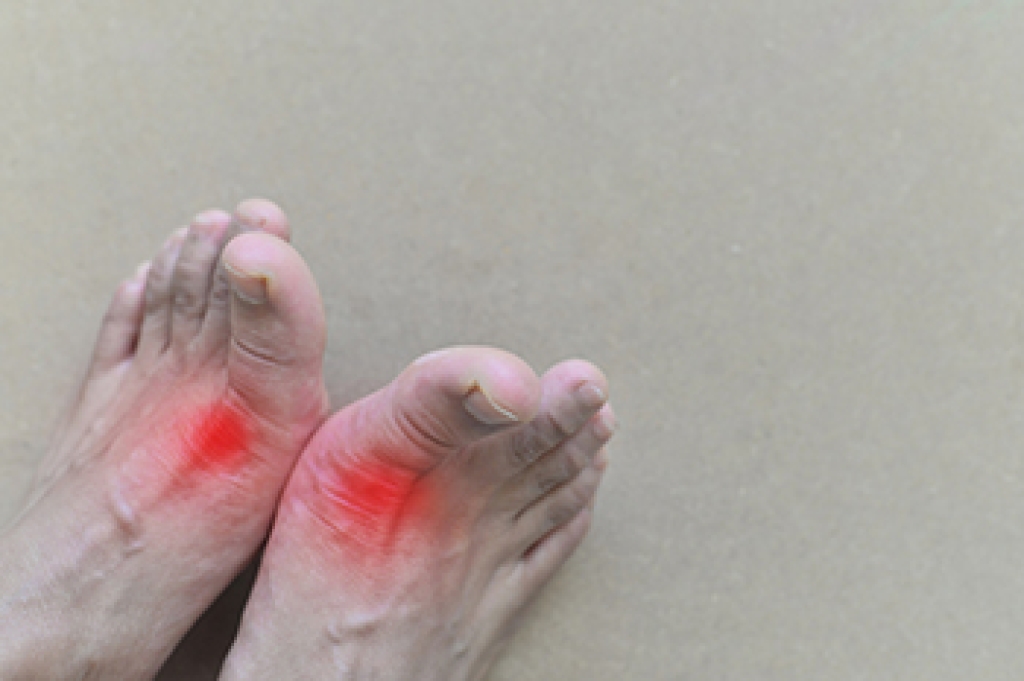
Plantar fasciitis is one of the most common causes of heel pain. The plantar fascia is a ligament that connects your heel to the front of your foot. When this ligament becomes inflamed, plantar fasciitis is the result. If you have plantar fasciitis you will have a stabbing pain that usually occurs with your first steps in the morning. As the day progresses and you walk around more, this pain will start to disappear, but it will return after long periods of standing or sitting.

What Causes Plantar Fasciitis?

  • Excessive running
  • Having high arches in your feet
  • Other foot issues such as flat feet
  • Pregnancy (due to the sudden weight gain)
  • Being on your feet very often

There are some risk factors that may make you more likely to develop plantar fasciitis compared to others. The condition most commonly affects adults between the ages of 40 and 60. It also tends to affect people who are obese because the extra pounds result in extra stress being placed on the plantar fascia.

Prevention

  • Take good care of your feet – Wear shoes that have good arch support and heel cushioning.
  • Maintain a healthy weight
  • If you are a runner, alternate running with other sports that won’t cause heel pain

There are a variety of treatment options available for plantar fasciitis along with the pain that accompanies it. Additionally, physical therapy is a very important component in the treatment process. It is important that you meet with your podiatrist to determine which treatment option is best for you.

If you have any questions, please feel free to contact our offices located in Lakewood and Manchester Township, NJ . We offer the newest diagnostic and treatment technologies for all your foot care needs.
 

Read more about Plantar Fasciitis

Causes and Diagnosis of Ankle Sprains

An ankle sprain occurs when the foot twists or rolls in a way that overstretches or tears the ligaments supporting the ankle joint. This often happens during sports, walking on uneven ground, or wearing shoes that lack adequate support. The outer ligaments of the ankle are most frequently injured, leading to pain, swelling, and bruising. In more severe ankle sprains, surrounding tendons or cartilage can also be affected. A podiatrist can perform a physical exam to assess the extent of ligament damage and determine whether the injury involves torn tissue or a fracture. Diagnostic imaging such as X-rays or an MRI may be ordered to confirm the diagnosis and rule out or uncover other injuries. Treatment depends on the severity of the ligament damage and may involve immobilization, supportive devices, or surgery in serious cases. If you believe you have sprained an ankle, it is suggested that you make an appointment with a podiatrist for a diagnosis and treatment.

Although ankle sprains are common, they aren’t always minor injuries. If you need your ankle injury looked at, contact Glenn Aufseeser, DPM from Lakewood Foot and Ankle Specialists. Our doctor can provide the care you need to keep you pain-free and on your feet.

How Does an Ankle Sprain Occur?

Ankle sprains are the result of a tear in the ligaments within the ankle. These injuries may happen when you make a rapid shifting movement while your foot is planted. A less common way to sprain your ankle is when your ankle rolls inward while your foot turns outward.

What Are the Symptoms?

  • Pain at the sight of the tear
  • Bruising/Swelling
  • Ankle area is tender to touch
  • In severe cases, may hear/feel something tear
  • Skin discoloration

Preventing a Sprain

  • Wearing appropriate shoes for the occasion
  • Stretching before exercises and sports
  • Knowing your limits

Treatment of a Sprain

In many cases, the RICE method (Rest, Ice, Compression, and Elevate) is used to treat ankle sprains. However, you should see a podiatrist to see which treatment option would work best with your injury. In severe cases, surgery may be required.

It is important to ask your doctor about rehab options after you receive treatment for your injury. Stretching, strength training, and balance exercises may help the ankle heal while also preventing further injury.

If you have any questions, please feel free to contact our offices located in Lakewood and Manchester Township, NJ . We offer the newest diagnostic and treatment technologies for all your foot care needs.

Read more about Ankle Sprains

Understanding Plantar Warts and Your Foot Health

Plantar warts are small growths that develop on the soles of the feet due to the human papillomavirus entering the skin through tiny cuts or weak spots. They often appear as rough, grainy, or fleshy lesions and may have small black pinpoint dots within them. Symptoms can include tenderness while walking, a feeling similar to standing on a pebble, and discomfort that increases with pressure. Some warts grow inward beneath a thickened layer of skin, making them difficult to identify without professional guidance. A podiatrist can provide a clear diagnosis through careful examination and can recommend treatments such as topical medications or debridement depending on the severity and location of the wart. Professional care helps prevent spreading, reduces pain, and supports faster recovery. If you notice persistent foot pain or a suspicious growth on the sole of your foot, it is suggested that you schedule an appointment with a podiatrist for relief and treatment options.

Plantar warts can be very uncomfortable. If you need your feet checked, contact Glenn Aufseeser, DPM from Lakewood Foot and Ankle Specialists. Our doctor will assist you with all of your foot and ankle needs.

About Plantar Warts

Plantar warts are the result of HPV, or human papillomavirus, getting into open wounds on the feet. They are mostly found on the heels or balls of the feet.

While plantar warts are generally harmless, those experiencing excessive pain or those suffering from diabetes or a compromised immune system require immediate medical care. Plantar warts are easily diagnosed, usually through scraping off a bit of rough skin or by getting a biopsy.

Symptoms

  • Lesions on the bottom of your feet, usually rough and grainy
  • Hard or thick callused spots
  • Wart seeds, which are small clotted blood vessels that look like little black spots
  • Pain, discomfort, or tenderness of your feet when walking or standing

Treatment

  • Freezing
  • Electric tool removal
  • Laser Treatment
  • Topical Creams (prescription only)
  • Over-the-counter medications

To help prevent developing plantar warts, avoid walking barefoot over abrasive surfaces that can cause cuts or wounds for HPV to get into. Avoiding direct contact with other warts, as well as not picking or rubbing existing warts, can help prevent the further spread of plantar warts. However, if you think you have developed plantar warts, speak to your podiatrist. He or she can diagnose the warts on your feet and recommend the appropriate treatment options.

If you have any questions, please feel free to contact our offices located in Lakewood and Manchester Township, NJ . We offer the newest diagnostic and treatment technologies for all your foot care needs.

Read more about All About Plantar Warts

Risk Factors for Developing Foot Corns

A foot corn is a thickened area of skin that develops from repeated friction or pressure, usually on the toes or soles. Corns form as a protective response but can become painful when they press into deeper tissues. Common causes include wearing tight shoes, abnormal foot structure, or high levels of physical activity. Symptoms often include tenderness or discomfort while walking, especially on a rough, hardened surface. People with diabetes or poor circulation are at a greater risk of complications. A podiatrist can safely remove corns, address the underlying cause, and recommend custom footwear or custom orthotics to prevent recurrence. If you have pain or difficulty walking due to corns, it is suggested that you consult a podiatrist who can provide effective relief and prevention tips.

Corns can make walking very painful and should be treated immediately. If you have questions regarding your feet and ankles, contact Glenn Aufseeser, DPM of Lakewood Foot and Ankle Specialists. Our doctor will treat your foot and ankle needs.

Corns: What Are They? And How Do You Get Rid of Them?
Corns are thickened areas on the skin that can become painful. They are caused by excessive pressure and friction on the skin. Corns press into the deeper layers of the skin and are usually round in shape.

Ways to Prevent Corns
There are many ways to get rid of painful corns such as:

  • Wearing properly fitting shoes that have been measured by a professional
  • Wearing shoes that are not sharply pointed or have high heels
  • Wearing only shoes that offer support

Treating Corns

Although most corns slowly disappear when the friction or pressure stops, this isn’t always the case. Consult with your podiatrist to determine the best treatment option for your case of corns.

If you have any questions, please feel free to contact our offices located in Lakewood and Manchester Township, NJ . We offer the newest diagnostic and treatment technologies for all your foot care needs.

Read more about Corns: What Are They, and How Do You Get Rid of Them

Connect With Us