Types of Diabetic Foot Problems

Diabetes is a chronic condition in which the body has difficulty regulating blood sugar, leading to changes that can affect the feet. Diabetic foot problems develop when nerve damage and poor circulation interfere with normal sensation and healing. Loss of feeling in the feet is common and may prevent awareness of cuts or pressure injuries. Changes in skin color or temperature can signal circulation issues, while fungal infections may develop more easily due to weakened skin defenses. Risk factors include long-standing diabetes, poor blood sugar control, smoking, improper footwear, and limited mobility. A podiatrist can help by performing routine foot exams, identifying early changes, treating infections, and providing guidance on proper foot care and footwear. Custom orthotics and preventive care can reduce pressure and protect the feet. If you have diabetes or notice numbness, skin changes, or infections, it is strongly suggested that you are under the care of a podiatrist who can help you to manage this serious condition.

Diabetic foot care is important in preventing foot ailments such as ulcers. If you are suffering from diabetes or have any other concerns about your feet, contact Glenn Aufseeser, DPM from Lakewood Foot and Ankle Specialists. Our doctor can provide the care you need to keep you pain-free and on your feet.

Diabetic Foot Care

Diabetes affects millions of people every year. The condition can damage blood vessels in many parts of the body, especially the feet. Because of this, taking care of your feet is essential if you have diabetes, and having a podiatrist help monitor your foot health is highly recommended.

The Importance of Caring for Your Feet

  • Routinely inspect your feet for bruises or sores.
  • Wear socks that fit your feet comfortably.
  • Wear comfortable shoes that provide adequate support.

Patients with diabetes should have their doctor monitor their blood levels, as blood sugar levels play such a huge role in diabetic care. Monitoring these levels on a regular basis is highly advised.

It is always best to inform your healthcare professional of any concerns you may have regarding your feet, especially for diabetic patients. Early treatment and routine foot examinations are keys to maintaining proper health, especially because severe complications can arise if proper treatment is not applied.

If you have any questions, please feel free to contact our offices located in Lakewood and Manchester Township, NJ . We offer the newest diagnostic and treatment technologies for all your foot care needs.

Read more about Diabetic Foot Conditions

Choosing the Right Shoes for Medical Professionals

Medical professionals spend long hours on their feet, making the right shoes essential for comfort and support throughout the day. Good footwear should offer comfort, versatility, durability, and a proper fit to prevent fatigue and strain. Popular choices include clogs, slip on shoes, and supportive sneakers, each offering unique benefits such as cushioning, stability, and ease of movement. A well-constructed shoe can reduce stress on the feet, ankles, and lower back while improving overall posture. A podiatrist can assess your foot structure and recommend footwear that best matches your work demands and comfort needs. If your current shoes are causing discomfort or fatigue, or if you have developed foot pain, it is suggested that you consult a podiatrist who can treat various foot conditions, and guide you on the correct shoes to wear. 

While working on the feet, it is important to take the proper care of them. For more information about working on your feet, contact Glenn Aufseeser, DPM from Lakewood Foot and Ankle Specialists. Our doctor will treat your foot and ankle needs.

Working on Your Feet

Standing on your feet for long periods of time can cause stress and pain in your feet. Your whole body may experience change in terms of posture, back pain, bunions, callouses and or plantar warts. There are ways to avoid these conditions with proper foot care, smart choices and correct posture.

Positive Changes

Negative heeled shoe – Choosing this shoe type places the heel slightly lower than the ball of the foot. These are great for overall foot health. Find shoes that fit you correctly.

Go barefoot – Our feet were not designed to be enclosed for all hours of the day. Try to periodically expose your feet to air.

Eliminate Pain

Foot Exercises – Performing simple exercises, incorporating yoga and doing stretches are beneficial. This will allow increased blood flow to the area and muscles of the foot.

Achilles tendon – Stretching the foot out flat on the floor will relax the calf muscles and tendon. These exercises can be performed almost anywhere. Make sure you add these exercises to your daily regimen. 

With a little bit of this information and knowing more about foot health, you will notice changes. Foot stretches and proper footwear will help with pain and prevent further issues.

If you have any questions please contact our offices located in Lakewood and Manchester Township, NJ . We offer the newest diagnostic and treatment technologies for all your foot and ankle needs.

Read more about Working on Your Feet

Plantar Fibromas and the Path to Comfortable Steps

Plantar fibromas are firm, benign nodules that develop within the plantar fascia, the thick band of tissue along the bottom of the foot. These growths often appear as small lumps in the arch and may feel smooth but solid beneath the skin. Symptoms include aching when standing, sharp pain during walking, and increased discomfort when wearing shoes that press against the area. The exact cause is not always clear, but contributing factors include genetics, repetitive stress, or previous foot injuries. A podiatrist begins by evaluating the foot through physical examination and imaging to confirm the presence and size of the fibroma. Treatment options include custom orthotics to reduce pressure, stretching programs, anti-inflammatory care, or steroid injections to help ease discomfort. In more persistent cases, advanced therapies or surgery may be considered to restore comfort and function. It is suggested that you make an appointment with a podiatrist for a proper diagnosis and personalized care.

A plantar fibroma may disrupt your daily activities. If you have any concerns, contact Glenn Aufseeser, DPM of Lakewood Foot and Ankle Specialists. Our doctor can provide the care you need to keep you pain-free and on your feet.

Plantar Fibroma

A plantar fibroma is a fibrous knot in the arch of the foot. It is embedded in the plantar fascia which is a band of tissue that extends from the heel to the toes along the bottom of the foot. There can be multiple plantar fibromas in the feet at the same time. There are no known causes for this condition. If you have a plantar fibroma, there will be a bump in the arch of your foot that cannot be missed. Any associated pain is most often due to a shoe rubbing against the nodule. Non-surgical options, such as steroid injections, physical therapy, and orthotics should be tried first. Surgery is a last resort and is the only thing that will remove a plantar fibroma entirely. Consult with a podiatrist for a proper diagnosis and to determine the treatment regimen that is right for you.

What Causes a Plantar Fibroma?

While there are no specific causes identified, a plantar fibroma can possibly come from genetic predisposition or the formation of scar tissue that forms from healing the tears in the plantar fascia.

What Are the Symptoms of a Plantar Fibroma?

There will be a noticeable lump in the arch of the foot that may or may not cause pain. If pain is felt, it is typically because a shoe is rubbing up against the lump or when walking or standing barefoot.

Treatment and Prevention

A plantar fibroma will not disappear without treatment, but it can get smaller and be a non-issue. If pain persists, a podiatrist examines the foot and when the arch of the foot is pressed, pain can be felt down to the toes. An MRI or biopsy might be performed to help diagnose or evaluate the plantar fibroma. The following non-surgical options are generally enough to reduce the size and pain of these nodules:

  • Steroid injections
  • Orthotics
  • Physical therapy to help apply anti-inflammatory creams on the bump 

Surgery is considered if the mass increases in size and the patient continues to feel pain after non-surgical methods are tried.

If you have any questions, please feel free to contact our offices located in Lakewood and Manchester Township, NJ . We offer the newest diagnostic and treatment technologies for all your foot care needs.

Read more about Plantar Fibroma

Toenail Fungus and Foot Health

Toenail fungus, known medically as onychomycosis, affects the nails of the toes and can interfere with overall foot health. This infection occurs when fungi penetrate the nail bed, often thriving in warm, moist environments such as those created by tight shoes or damp socks. Infected nails can become thick, brittle, and discolored, sometimes causing discomfort or pressure when walking. Over time, the fungal toenail infection can spread to other toenails or surrounding skin, leading to pain or secondary infections if left untreated. A podiatrist can diagnose toenail fungus through a careful examination and laboratory testing to confirm the cause. Proper treatment helps prevent further nail damage and improves the appearance and health of the affected nails. In some cases, a podiatrist may recommend surgery to remove a severely infected nail and allow healthy regrowth. If you have been infected by a toenail fungus, it is suggested that you make an appointment with a podiatrist for a diagnosis and suggested treatment.

If left untreated, toenail fungus may spread to other toenails, skin, or even fingernails. If you suspect you have toenail fungus it is important to seek treatment right away. For more information about treatment, contact Glenn Aufseeser, DPM of Lakewood Foot and Ankle Specialists. Our doctor can provide the care you need to keep you pain-free and on your feet.

Symptoms

  • Warped or oddly shaped nails
  • Yellowish nails
  • Loose/separated nail
  • Buildup of bits and pieces of nail fragments under the nail
  • Brittle, broken, thickened nail

Treatment

If self-care strategies and over-the-counter medications does not help your fungus, your podiatrist may give you a prescription drug instead. Even if you find relief from your toenail fungus symptoms, you may experience a repeat infection in the future.

Prevention

In order to prevent getting toenail fungus in the future, you should always make sure to wash your feet with soap and water. After washing, it is important to dry your feet thoroughly especially in between the toes. When trimming your toenails, be sure to trim straight across instead of in a rounded shape. It is crucial not to cover up discolored nails with nail polish because that will prevent your nail from being able to “breathe”.

In some cases, surgical procedure may be needed to remove the toenail fungus. Consult with your podiatrist about the best treatment options for your case of toenail fungus.  

If you have any questions please contact our offices located in Lakewood and Manchester Township, NJ . We offer the newest diagnostic and treatment technologies for all your foot and ankle needs.

Read more about Toenail Fungus

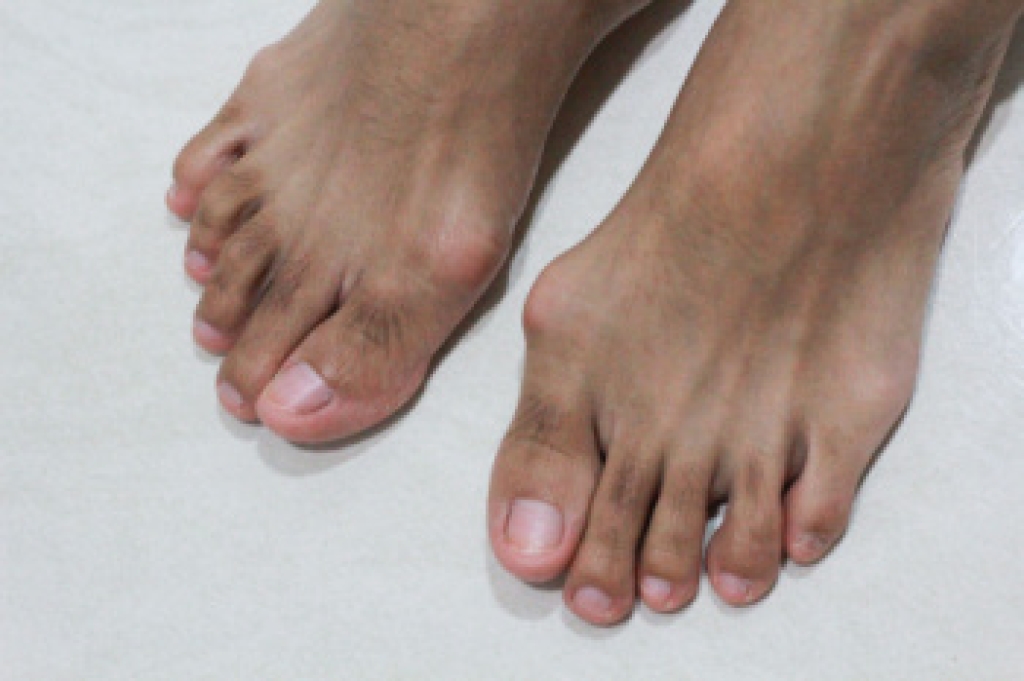
Are Bunions Affecting Your Everyday Life?

Have you noticed a bony protrusion on the side of your big toe? If so, you may have developed the foot condition known as a bunion. Don't let bunions interfere with your daily activities.

Connect With Us