
Heel Pain That Keeps You From Staying Active

Persistent plantar fasciitis can make it difficult to stay active and enjoy everyday movement. The plantar fascia is a thick band of tissue that runs along the bottom of the foot and supports the arch. When this tissue becomes irritated or strained, it often causes sharp heel pain, especially during the first steps in the morning or after long periods of sitting. Many people try to push through the discomfort, but ongoing strain can worsen the condition. Walking, exercising, or even standing for long periods may become uncomfortable. Over time, reduced activity can affect overall health and limit participation in favorite hobbies such as walking, fitness classes, or recreational sports. Wearing supportive footwear, gentle stretching, and rest may help reduce irritation in the early stages. When heel pain is persistent and continues or interferes with daily activity, it is suggested that you see a podiatrist for a proper diagnosis and appropriate treatment.

Plantar fasciitis can be very painful and inconvenient. If you are experiencing heel pain or symptoms of plantar fasciitis, contact Glenn Aufseeser, DPM  from Lakewood Foot and Ankle Specialists. Our doctor can provide the care you need to keep you pain-free and on your feet.

What Is Plantar Fasciitis?

Plantar fasciitis is the inflammation of the thick band of tissue that runs along the bottom of your foot, known as the plantar fascia, and causes mild to severe heel pain.

What Causes Plantar Fasciitis?

  • Excessive running
  • Non-supportive shoes
  • Overpronation
  • Repeated stretching and tearing of the plantar fascia

How Can It Be Treated?

  • Conservative measures – anti-inflammatories, ice packs, stretching exercises, physical therapy, orthotic devices
  • Shockwave therapy – sound waves are sent to the affected area to facilitate healing and are usually used for chronic cases of plantar fasciitis
  • Surgery – usually only used as a last resort when all else fails. The plantar fascia can be surgically detached from the heel

While very treatable, plantar fasciitis is definitely not something that should be ignored. Especially in severe cases, speaking to your doctor right away is highly recommended to avoid complications and severe heel pain. Your podiatrist can work with you to provide the appropriate treatment options tailored to your condition.

If you have any questions, please feel free to contact our offices located in Lakewood and Manchester Township, NJ . We offer the newest diagnostic and treatment technologies for all your foot care needs.

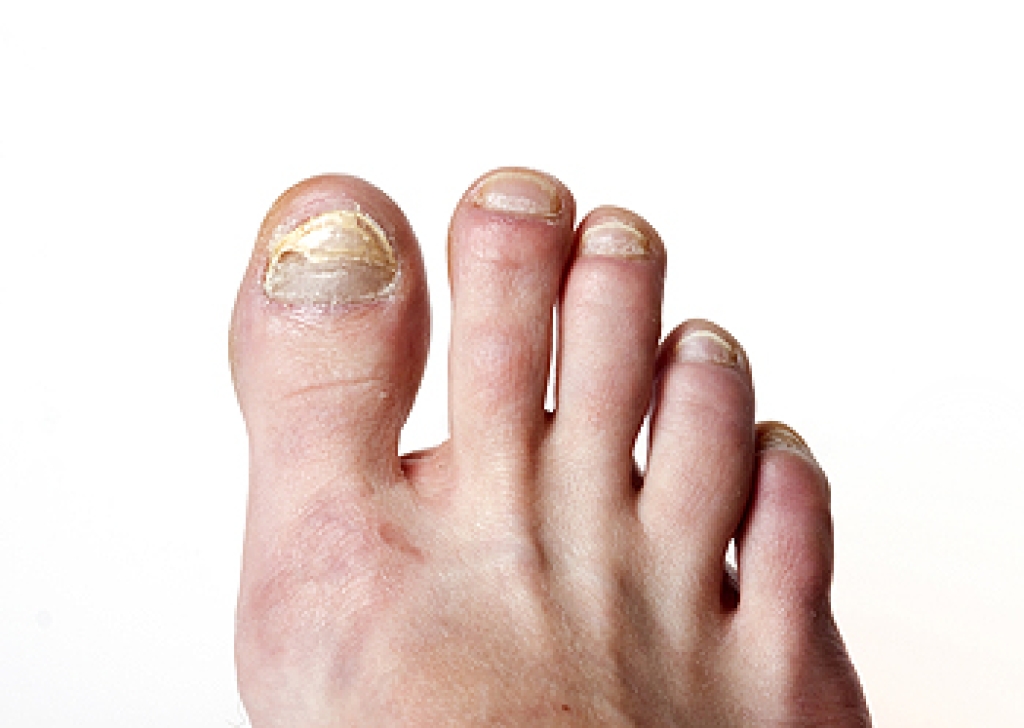
Read more about Plantar Fasciitis

Understanding Heel Spurs and How They Develop

A heel spur is a small bony growth that forms where the heel bone meets the soft tissues of the foot. It often develops gradually in response to ongoing strain, tight muscles, or repeated pressure on the heel. Many people are surprised to learn that the spur itself is not always the source of discomfort. Instead, the surrounding inflammation and irritation can create sharp or aching pain when standing, walking, or getting out of bed in the morning. Flat feet, high arches, or worn footwear may contribute to the problem by placing added stress on the heel. Early attention can prevent symptoms from becoming more persistent. Supportive shoes, stretching, and reducing pressure in the area can help calm irritation, but lasting heel pain should never be ignored. If you notice recurring discomfort in your heel or suspect a heel spur, it is suggested that you see a podiatrist for a clear diagnosis and personalized treatment plan.

Heel spurs can be incredibly painful and sometimes may make you unable to participate in physical activities. To get medical care for your heel spurs, contact Glenn Aufseeser, DPM from Lakewood Foot and Ankle Specialists. Our doctor will do everything possible to treat your condition.

Heels Spurs

Heel spurs are formed by calcium deposits on the back of the foot where the heel is. This can also be caused by small fragments of bone breaking off one section of the foot, attaching onto the back of the foot. Heel spurs can also be bone growth on the back of the foot and may grow in the direction of the arch of the foot.

Older individuals usually suffer from heel spurs and pain sometimes intensifies with age. One of the main condition's spurs are related to is plantar fasciitis.

Pain

The pain associated with spurs is often because of weight placed on the feet. When someone is walking, their entire weight is concentrated on the feet. Bone spurs then have the tendency to affect other bones and tissues around the foot. As the pain continues, the feet will become tender and sensitive over time.

Treatments

There are many ways to treat heel spurs. If one is suffering from heel spurs in conjunction with pain, there are several methods for healing. Medication, surgery, and herbal care are some options.

If you have any questions, please feel free to contact our offices located in Lakewood and Manchester Township, NJ . We offer the newest diagnostic and treatment technologies for all your foot care needs.

Read more about Heel Spurs

Why Live with Pain and Numbness in Your Feet?

Suffering from this type of pain? You may have the foot condition known as Morton's neuroma. Morton's neuroma may develop as a result of ill-fitting footwear and existing foot deformities. We can help.

Recognizing Foot Problems

Foot issues, such as plantar fasciitis, heel spurs, and claw toes, can significantly impact daily life. Plantar fasciitis is an inflammation of the plantar fascia, the thick band of tissue connecting the heel to the toes, causing sharp heel pain, especially in the morning. Heel spurs are bony protrusions that can develop on the heel bone, often linked to plantar fasciitis, leading to persistent pain and discomfort. Claw toes occur when the toe joints bend excessively, resulting in a claw-like appearance. Symptoms include pain, redness, and difficulty wearing shoes comfortably. Experiencing persistent symptoms warrant professional evaluation. A podiatrist might recommend custom orthotics, targeted exercises, or, in some cases, surgery to address the underlying issues. If you are experiencing foot pain or discomfort, it is suggested you schedule an appointment with a podiatrist for an accurate diagnosis and effective treatment options, tailored to your needs.

Foot Pain

Foot pain can be extremely painful and debilitating. If you have a foot pain, consult with Glenn Aufseeser, DPM from Lakewood Foot and Ankle Specialists. Our doctor will assess your condition and provide you with quality foot and ankle treatment.

Causes

Foot pain is a very broad condition that could be caused by one or more ailments. The most common include:

  • Bunions
  • Hammertoes
  • Plantar Fasciitis
  • Bone Spurs
  • Corns
  • Tarsal Tunnel Syndrome
  • Ingrown Toenails
  • Arthritis (such as Gout, Rheumatoid, and Osteoarthritis)
  • Flat Feet
  • Injury (from stress fractures, broken toe, foot, ankle, Achilles tendon ruptures, and sprains)
  • And more

Diagnosis

To figure out the cause of foot pain, podiatrists utilize several different methods. This can range from simple visual inspections and sensation tests to X-rays and MRI scans. Prior medical history, family medical history, and any recent physical traumatic events will all be taken into consideration for a proper diagnosis.

Treatment

Treatment depends upon the cause of the foot pain. Whether it is resting, staying off the foot, or having surgery; podiatrists have a number of treatment options available for foot pain.

If you have any questions, please feel free to contact our offices located in Lakewood and Manchester Township, NJ . We offer the newest diagnostic and treatment technologies for all your foot care needs.
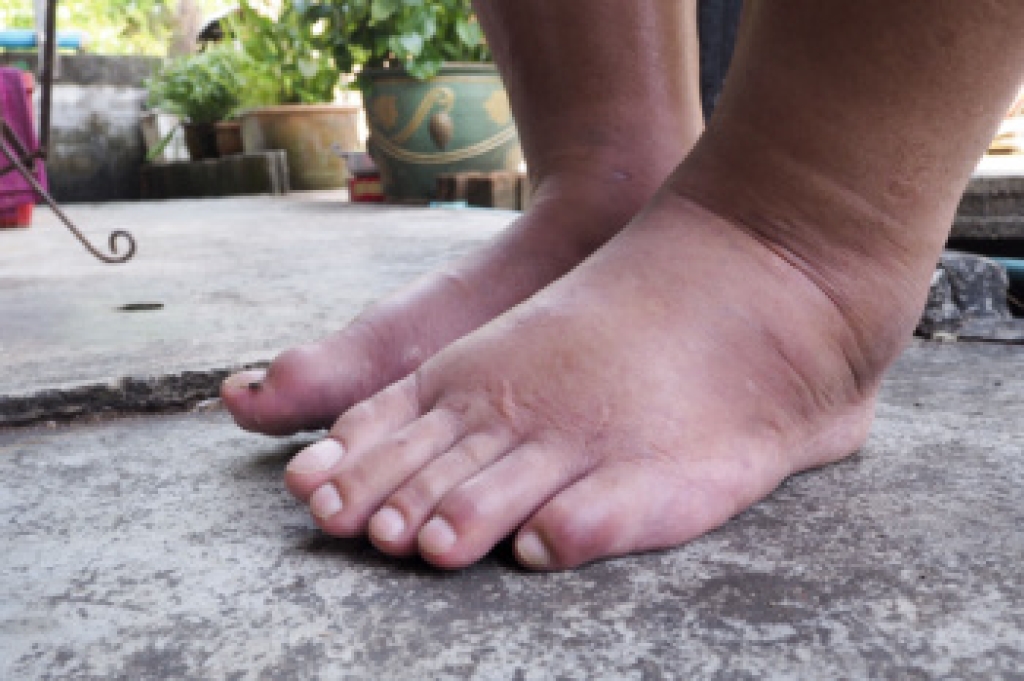
Read more about Foot Pain

Facts About High Ankle Sprains

A high ankle sprain is an injury to the ligaments that connect the two lower leg bones above the ankle joint. It often involves the syndesmosis, a joint where two bones are connected by strong ligaments rather than by a typical moving joint capsule. It occurs when the foot is forced outward or twisted while the leg remains stable, commonly during sports or sudden directional changes. Symptoms include significant pain above the ankle, swelling, bruising, discoloration, and difficulty bearing weight. A severe sprain may cause instability and prolonged discomfort if not properly treated. Diagnosis is made through physical examination and imaging studies to assess ligament damage. A podiatrist can provide an accurate diagnosis, recommend bracing or rehabilitation, and guide recovery. If you have sprained your ankle, it is suggested that you consult a podiatrist who can offer effective relief and treatment solutions.

Ankle sprains are common but need immediate attention. If you need your feet checked, contact Glenn Aufseeser, DPM from Lakewood Foot and Ankle Specialists. Our doctor can provide the care you need to keep you pain-free and on your feet.

How Does an Ankle Sprain Occur?

Ankle sprains take place when the ligaments in your ankle are torn or stretched beyond their limits. There are multiple ways that the ankle can become injured, including twisting or rolling over onto your ankle, putting undue stress on it, or causing trauma to the ankle itself.

What Are the Symptoms?

  • Mild to moderate bruising
  • Limited mobility
  • Swelling
  • Discoloration of the skin (depending on severity)

Preventing a Sprain

  • Wearing appropriate shoes for the occasion
  • Stretching before exercises and sports
  • Knowing your limits

Treatment of a Sprain

Treatment of a sprain depends on the severity.  Many times, people are told to rest and remain off their feet completely, while others are given an air cast. If the sprain is very severe, surgery may be required.

If you have suffered an ankle sprain previously, you may want to consider additional support such as a brace and regular exercises to strengthen the ankle.

If you have any questions please feel free to contact our offices located in Lakewood and Manchester Township, NJ . We offer the newest diagnostic tools and technology to treat your foot and ankle needs.

Read more about Ankle Sprains

Connect With Us