
Symptoms and Treatment of Hammertoe

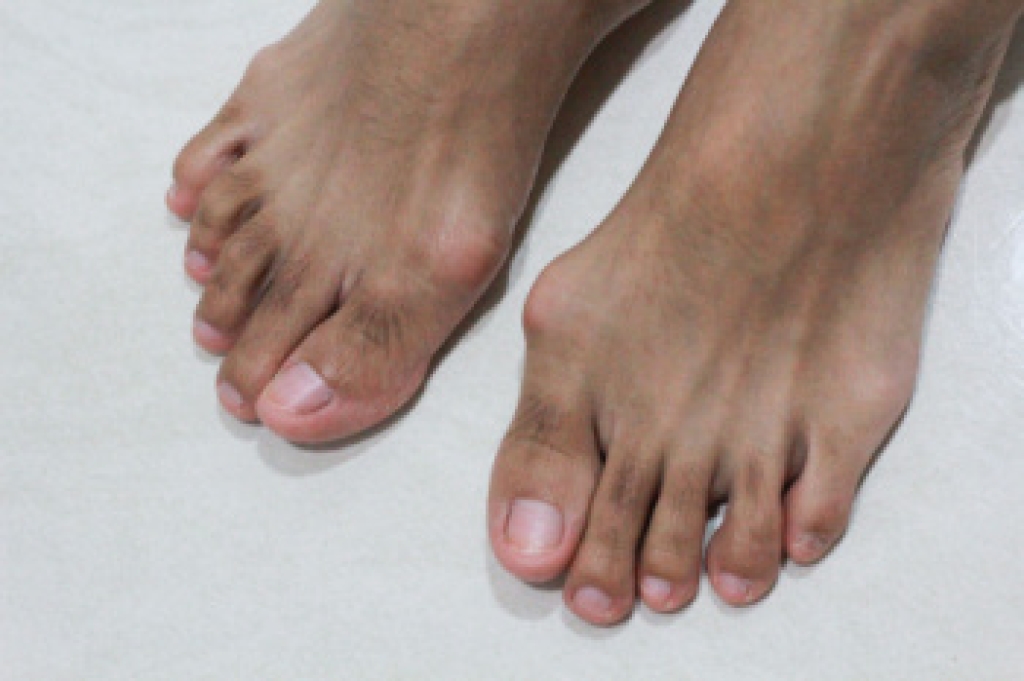
Hammertoe is a deformity that causes one or more toes to bend at the middle joint instead of lying flat. The affected toe can take on a claw-like shape, making walking and wearing shoes uncomfortable. The second toe is affected most often, although other toes can develop the problem. Wearing tight, narrow shoes and high heels place repeated pressure on the toes. This pressure can change how muscles and tendons work, causing the toe to stay bent. Some people are born with hammertoe, while others develop it because of foot structure or long-term shoe pressure. Early evaluation helps prevent the deformity from becoming more difficult to treat.

Symptoms usually begin with a toe that feels stiff or rubs against the inside of a shoe. Pain can increase while walking because the bent joint presses against footwear that lacks proper support. Corns can develop on the top of the toe, and calluses can form on the ball of the foot. As the deformity becomes more fixed, straightening the toe becomes difficult. A podiatrist examines the foot, checks toe movement, and determines whether other foot problems are contributing to the deformity. X-rays also help evaluate joint alignment and guide treatment decisions. They also look for pressure areas, toe flexibility, and skin changes before recommending treatment.

Treatment focuses on relieving pain and improving toe position before the deformity becomes permanent. A podiatrist recommends shoes with a wide toe box and provides custom orthotics when abnormal foot mechanics add pressure. Padding or splinting supplied by the podiatrist helps protect irritated areas and improve toe alignment. The goal is to improve comfort and foot function and make shoes fit more comfortably. If you have pain from a hammertoe deformity, it is suggested that you schedule an appointment with a podiatrist for effective relief and treatment solutions.

Hammertoes can be a painful condition to live with. For more information, contact Glenn Aufseeser, DPM of Lakewood Foot and Ankle Specialists. Our doctor will answer any of your foot- and ankle-related questions.

Hammertoe

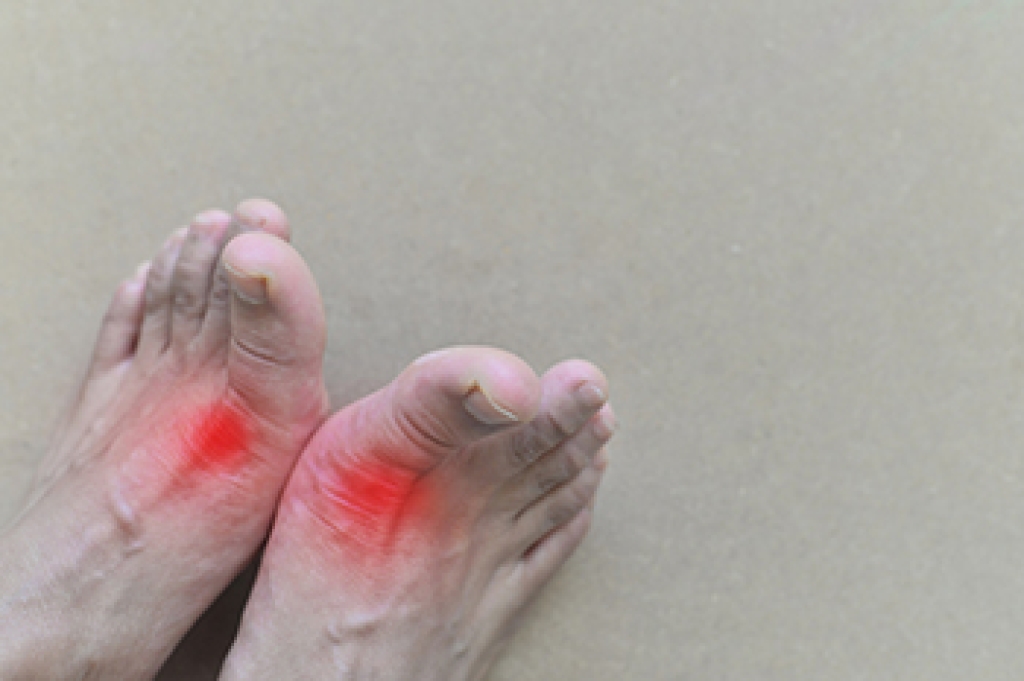
Hammertoe is a foot deformity that occurs due to an imbalance in the muscles, tendons, or ligaments that normally hold the toe straight. It can be caused by the type of shoes you wear, your foot structure, trauma, and certain disease processes.

Symptoms

  • Painful and/or difficult toe movement
  • Swelling
  • Joint stiffness
  • Calluses/Corns
  • Physical deformity

Risk Factors

  • Age – The risk of hammertoe increases with age
  • Sex – Women are more likely to have hammertoe compared to men
  • Toe Length – You are more likely to develop hammertoe if your second toe is longer than your big toe
  • Certain Diseases – Arthritis and diabetes may make you more likely to develop hammertoe

Treatment

If you have hammertoe, you should change into a more comfortable shoe that provides enough room for your toes. Exercises such as picking up marbles may strengthen and stretch your toe muscles. Nevertheless, it is important to seek assistance from a podiatrist in order to determine the severity of your hammertoe and see which treatment option will work best for you.

If you have any questions, please feel free to contact our offices located in Lakewood and Manchester Township, NJ . We offer the newest diagnostic and treatment technologies for all your foot care needs.
Read more about Hammertoe

Why Professional Foot Wound Care Matters

Foot wounds can develop from cuts, pressure, burns, or injuries that damage the skin and underlying tissue. Although some wounds appear minor at first, they may become more serious if they do not heal properly. People with diabetes, poor circulation, or reduced feeling in their feet have a greater risk of developing complications, because wounds may heal more slowly. Common signs of a foot wound include pain, swelling, and drainage. Some wounds may also develop redness or an unpleasant odor if an infection is present. Because untreated foot wounds can worsen over time, a professional evaluation is important to determine the cause and recommend the most appropriate treatment.


The healing process depends on healthy blood flow, proper pressure distribution, and the condition of the surrounding tissue. If a wound remains open for an extended period, it may become deeper and increase the risk of infection. Ongoing pressure on the affected area can also delay healing and make walking more difficult. A thorough podiatry evaluation helps determine the size, depth, and severity of the wound. Additional testing may be recommended if there are concerns about circulation or infection. Early diagnosis allows treatment to begin promptly and helps reduce the risk of long-term complications that could affect foot health and mobility.


A podiatrist plays an important role in evaluating and treating foot wounds while monitoring the healing process. Professional care focuses on protecting healthy tissue, encouraging wound healing, and reducing the risk of infection. Treatment is tailored to each patient's condition and may be adjusted as the wound improves. Regular follow-up visits allow the podiatrist to monitor healing and identify any changes that require additional care. If you have a foot wound that is painful, slow to heal, or showing signs of infection, it is suggested that you consult a podiatrist for an evaluation and appropriate treatment options.

Wound care is an important part in dealing with diabetes. If you have diabetes and a foot wound or would like more information about wound care for diabetics, consult with Glenn Aufseeser, DPM from Lakewood Foot and Ankle Specialists. Our doctor will assess your condition and provide you with quality foot and ankle treatment.

What Is Wound Care?

Wound care is the practice of taking proper care of a wound. This can range from the smallest to the largest of wounds. While everyone can benefit from proper wound care, it is much more important for diabetics. Diabetics often suffer from poor blood circulation which causes wounds to heal much slower than they would in a non-diabetic. 

What Is the Importance of Wound Care?

While it may not seem apparent with small ulcers on the foot, for diabetics, any size ulcer can become infected. Diabetics often also suffer from neuropathy, or nerve loss. This means they might not even feel when they have an ulcer on their foot. If the wound becomes severely infected, amputation may be necessary. Therefore, it is of the upmost importance to properly care for any and all foot wounds.

How to Care for Wounds

The best way to care for foot wounds is to prevent them. For diabetics, this means daily inspections of the feet for any signs of abnormalities or ulcers. It is also recommended to see a podiatrist several times a year for a foot inspection. If you do have an ulcer, run the wound under water to clear dirt from the wound; then apply antibiotic ointment to the wound and cover with a bandage. Bandages should be changed daily and keeping pressure off the wound is smart. It is advised to see a podiatrist, who can keep an eye on it.

If you have any questions please contact our offices located in Lakewood and Manchester Township, NJ . We offer the newest diagnostic and treatment technologies for all your foot and ankle needs.

Read more about Wound Care

Heel Pain Can Be Treated!

Do you suffer from heel pain when you get up in the morning? If so, you should seek professional help and have a proper diagnosis performed. Heel pain can be caused by several different foot-related conditions.

How Flat Feet Develop From Childhood to Adulthood

Flat feet, also known as fallen arches, occur when the arches of the feet fail to develop properly or gradually collapse over time. In many cases, flat feet in adults originate as a structural pattern present during childhood. While some children naturally outgrow flexible flat feet as their arches form, others continue to have low or absent arches into adulthood. Without proper support or early intervention, this condition can affect body alignment, balance, and overall foot function.

Common symptoms of flat feet include pain in the arch or heel, along with swelling along the inside of the ankle. Some individuals may experience discomfort during prolonged standing or walking, while others notice uneven wear on their shoes. As the condition progresses, the lack of arch support can place increased strain on the ankles, knees, and lower back, potentially leading to additional musculoskeletal issues. Identifying these symptoms early can help reduce complications and improve long-term mobility.

The causes of flat feet often involve a combination of genetic factors, ligament laxity, and improper foot development during childhood. When the arches do not form correctly, the feet may remain overly flexible and collapse under body weight. In adults, flat feet can worsen due to tendon weakness, injury, aging, or prolonged stress on the feet. Early intervention with supportive measures, such as custom orthotics or properly fitted footwear, can help promote better alignment and reduce strain on the foot structure.

Risk factors include a family history of flat feet, occupations that involve long periods of standing, and repetitive physical activity. Wearing unsupportive shoes can further contribute to arch collapse and discomfort. Preventive care and early evaluation are especially important for children showing signs of flat feet. If you or your child have flat feet, it is suggested that you consult a podiatrist who can guide you toward effective management strategies.

Flatfoot is a condition many people suffer from. If you have flat feet, contact Glenn Aufseeser, DPM from Lakewood Foot and Ankle Specialists. Our doctor will treat your foot and ankle needs.

What Are Flat Feet?

Flatfoot is a condition in which the arch of the foot is depressed and the sole of the foot is almost completely in contact with the ground. About 20-30% of the population generally has flat feet because their arches never formed during growth.

Conditions & Problems:

Having flat feet makes it difficult to run or walk because of the stress placed on the ankles.

Alignment – The general alignment of your legs can be disrupted, because the ankles move inward which can cause major discomfort.

Knees – If you have complications with your knees, flat feet can be a contributor to arthritis in that area.  

Symptoms

  • Pain around the heel or arch area
  • Trouble standing on the tip toe
  • Swelling around the inside of the ankle
  • Flat look to one or both feet
  • Having your shoes feel uneven when worn

Treatment

If you are experiencing pain and stress on the foot you may weaken the posterior tibial tendon, which runs around the inside of the ankle. 

If you have any questions, please feel free to contact our offices located in Lakewood and Manchester Township, NJ . We offer the newest diagnostic and treatment technologies for all your foot care needs.

Read more about Flat Feet

Why High Heels Cause Foot Pain

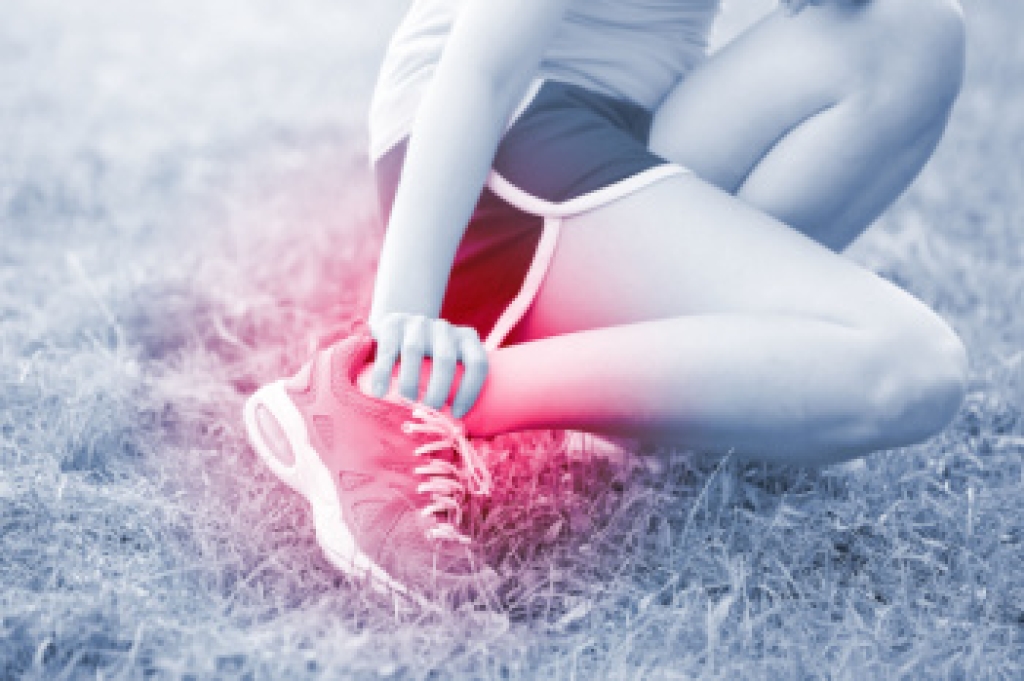
High heels can create a polished look, but they also place extra stress on the feet. As heel height increases, more body weight shifts toward the front of the foot. This added pressure affects the toes and the ball of the foot with every step. A narrow toe box squeezes the toes together, making normal movement more difficult. High heels that lack proper support also reduce stability and increase strain on muscles and joints. This raises the risk of bunions, corns, and calluses, along with increasing the chances of an ankle sprain. Some people notice burning, numbness, or swelling after long periods of standing or while walking in high heels.

Choosing high heels carefully helps reduce stress on the feet without giving up style. A proper fit is one of the most important features. High heels that are too tight or too loose increase pressure and friction. Open-toe styles provide extra room for the toes and reduce crowding. Lower heels place less weight on the front of the foot than very high styles. A wider heel also improves balance and spreads weight more evenly. A less dramatic slope from heel to toe places less strain on the foot and ankle. Small design changes can make high heels more comfortable while helping protect the feet.

When foot pain continues from wearing high heels, a podiatrist can identify the cause and recommend the most effective treatment. An examination can determine whether pain comes from irritated joints, strained soft tissues, or changes in foot structure. Treatment includes custom orthotics, padding to reduce pressure, and care for corns or calluses. A podiatrist also treats bunions, hammertoes, and other problems before they become more severe. If you have foot pain after wearing high heels, it is suggested that you schedule an appointment with a podiatrist for effective relief tips and guidance on choosing high heels suited to your needs.

High heels have a history of causing foot and ankle problems. If you have any concerns about your feet or ankles, contact Glenn Aufseeser, DPM from Lakewood Foot and Ankle Specialists. Our doctor can provide the care you need to keep you pain-free and on your feet.

Effects of High Heels on the Feet

High heels are popular shoes among women because of their many styles and societal appeal.  Despite this, high heels can still cause many health problems if worn too frequently.

Which Parts of My Body Will Be Affected by High Heels?

  • Ankle Joints
  • Achilles Tendon – May shorten and stiffen with prolonged wear
  • Balls of the Feet
  • Knees – Heels cause the knees to bend constantly, creating stress on them
  • Back – They decrease the spine’s ability to absorb shock, which may lead to back pain.  The vertebrae of the lower back may compress.

What Kinds of Foot Problems Can Develop from Wearing High Heels?

  • Corns
  • Calluses
  • Hammertoe
  • Bunions
  • Morton’s Neuroma
  • Plantar Fasciitis

How Can I Still Wear High Heels and Maintain Foot Health?

If you want to wear high heeled shoes, make sure that you are not wearing them every day, as this will help prevent long term physical problems.  Try wearing thicker heels as opposed to stilettos to distribute weight more evenly across the feet.  Always make sure you are wearing the proper shoes for the right occasion, such as sneakers for exercising.  If you walk to work, try carrying your heels with you and changing into them once you arrive at work.  Adding inserts to your heels can help cushion your feet and absorb shock. Full foot inserts or metatarsal pads are available. 

If you have any questions, please feel free to contact our offices located in Lakewood and Manchester Township, NJ . We offer the newest diagnostic and treatment technologies for all your foot care needs.
Read more about Why High Heels Are Not Ideal for Healthy Feet

Connect With Us