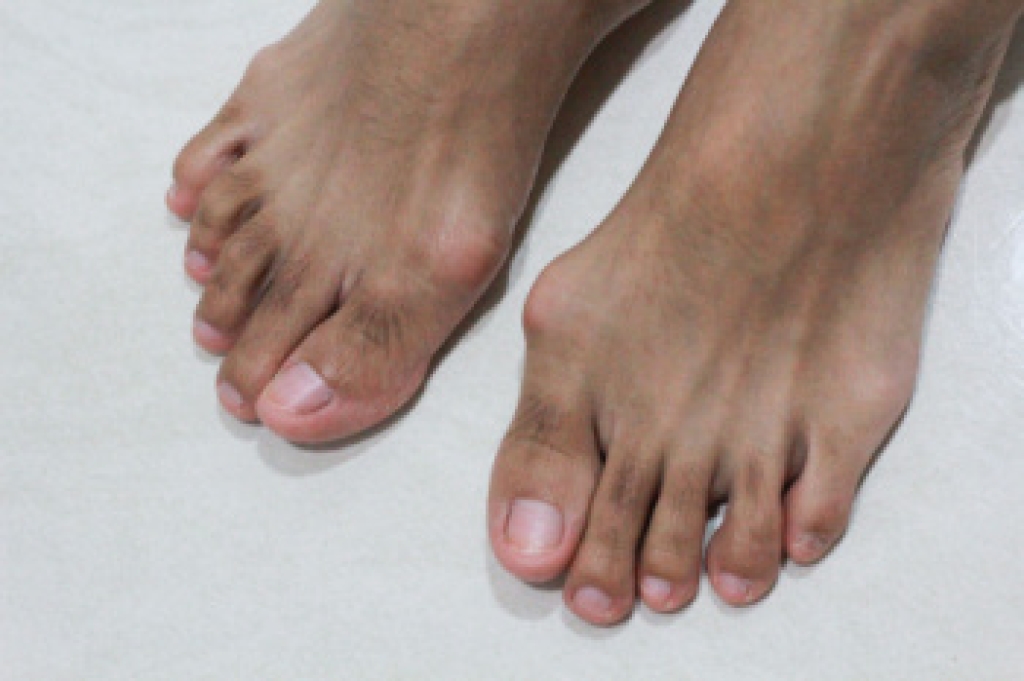
How Diabetes Puts Your Feet in Danger

Diabetes can place the feet at serious risk due to damage that affects both nerves and blood flow. Nerve damage, called peripheral neuropathy, reduces the ability to feel pain, heat, or injury, so a small cut or blister may go unnoticed. Poor circulation, or reduced blood flow, caused by diabetes can slow healing and increase the chance of infection. These problems may lead to ulcers, or open sores, that can become severe, if not treated early. Skin may also become dry and prone to cracking, creating a pathway for infection. A podiatrist can examine the feet, check sensation, assess circulation, and identify early signs of damage before complications worsen. Imaging, wound care, and pressure-relieving devices may be used to protect the feet and support healing. Regular medical evaluation plays an important role in preventing serious long-term complications. If you have foot problems related to diabetes, it is suggested that you schedule an appointment with a podiatrist to help manage the effects of this serious condition.

Diabetic Limb Salvage

Diabetic limb salvage can be an effective way in preventing the need for limb amputation. If you have a foot ulcer and diabetes, consult with Glenn Aufseeser, DPM from Lakewood Foot and Ankle Specialists. Our doctor will assess your condition and provide you with quality foot and ankle treatment.

What Is Diabetic Limb Salvage?

Diabetic limb salvage is the attempt of saving a limb, such as the foot, that has an infected ulcer, from amputation. Podiatrists also try to make sure that there is enough function in the foot after the salvage that it is still usable. Those with diabetes experience poor blood circulation, which prevents proper healing of an ulcer. If the ulcer is left uncheck, it could become infected, which could result in the need for amputation.

Diabetes is the number one cause of non-traumatic amputations in the United States. Amputation has been found to lead to higher mortality rates. This translates into higher healthcare costs, and a reduced quality of life and mobility for amputees. Podiatrists have attempted to increase the prevalence of limb salvage in an attempt to solve these issues.

Diagnosis and Treatment

Limb salvage teams have grown in recent years that utilize a number of different treatments to save the infected limb. This includes podiatrists that specialize in wound care, rehabilitation, orthotics, and surgery. Through a combination of these methods, limb salvage has been found to be an effective treatment for infected limbs, and as an alternative to amputation. Podiatrists will first evaluate the potential for limb salvage and determine if the limb can be saved or must be amputated. 

If you have any questions, please feel free to contact our offices located in Lakewood and Manchester Township, NJ . We offer the newest diagnostic and treatment technologies for all your foot care needs.
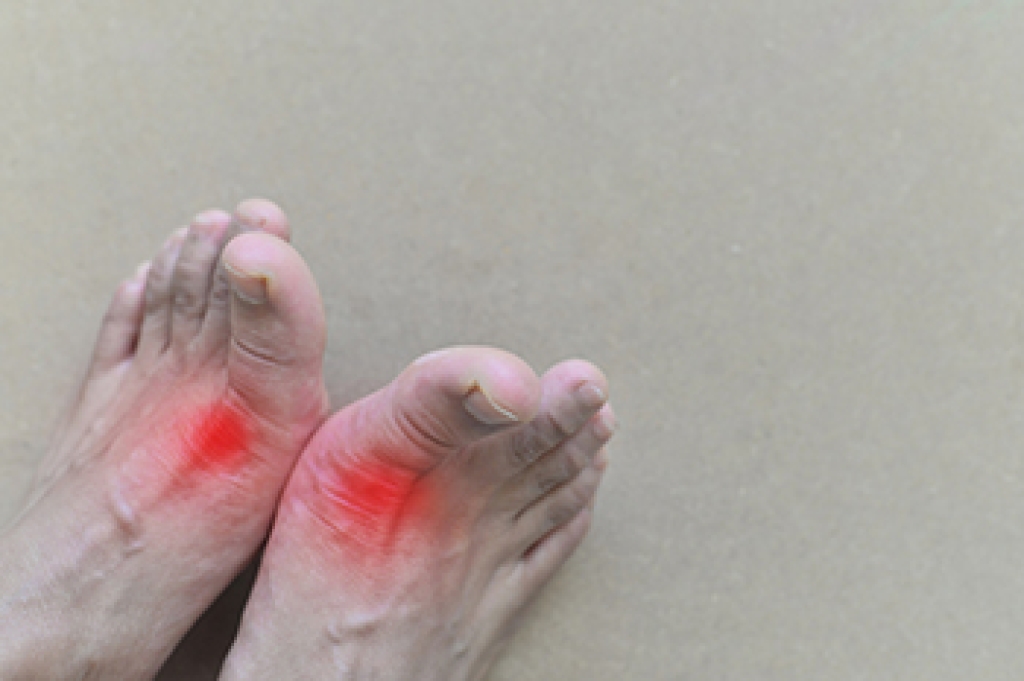

Read more about Diabetic Limb Salvage

Dangers of Compartment Syndrome

Compartment syndrome is a medical emergency that can develop in the foot after a severe injury, like a fracture or crush injury. The foot contains groups of muscles held within tight spaces called compartments, surrounded by a firm tissue known as fascia. When swelling or bleeding occurs, pressure can build inside these spaces and reduce blood flow. This limits oxygen to the muscles and nerves, leading to intense pain, swelling, and a tight or firm feeling in the foot. People may also notice numbness or tingling, often described as a pins-and-needles sensation. Pain may worsen with toe movement. If not treated quickly, compartment syndrome can lead to muscle damage, deformity, and long-term loss of foot function. A podiatrist can conduct a physical exam, order imaging, and perform surgery to relieve pressure. If you have symptoms of compartment syndrome, it is suggested that you make an immediate appointment with a podiatrist for treatment.

Foot and ankle trauma is common among athletes and the elderly. If you have concerns that you may have experienced trauma to the foot and ankle, consult with Glenn Aufseeser, DPM from Lakewood Foot and Ankle Specialists. Our doctor will assess your condition and provide you with quality foot and ankle treatment.

Foot and ankle trauma cover a range of injuries all over the foot; common injuries include:

  • Broken bones
  • Muscle strains
  • Injuries to the tendons and ligaments
  • Stress fractures

Symptoms

Symptoms of foot and ankle injuries vary depending on the injury, but more common ones include:

  • Bruising
  • Inflammation/ Swelling
  • Pain

Diagnosis

To properly diagnose the exact type of injury, podiatrists will conduct a number of different tests. Some of these include sensation and visual tests, X-rays, and MRIs. Medical and family histories will also be taken into account.

Treatment

Once the injury has been diagnosed, the podiatrist can than offer the best treatment options for you. In less severe cases, rest and keeping pressure off the foot may be all that’s necessary. Orthotics, such as a specially made shoes, or immobilization devices, like splints or casts, may be deemed necessary. Finally, if the injury is severe enough, surgery may be necessary.

If you have any questions, please feel free to contact our offices located in Lakewood and Manchester Township, NJ . We offer the newest diagnostic and treatment technologies for all your foot care needs.

Read more about Foot and Ankle Fractures

Do Your Child's Feet Hurt?

Have your child's feet been examined lately? Healthy feet are happy feet. If your child is complaining of foot pain, it may be a sign of underlying problems.

Causes of a Dislocated Toe

A dislocated toe occurs when one of the toe bones is forced out of its normal position, often resulting in pain, swelling, bruising, and a visibly crooked appearance. A child can dislocate a toe during common activities like running, playing sports, or stubbing their foot, which may cause immediate pain, swelling, and difficulty walking. The second toe is the most commonly affected due to its position and involvement in weight-bearing activities. A dislocated toe can make walking difficult and may lead to further complications, if left untreated. A podiatrist can accurately diagnose the dislocation, realign the toe safely, provide supportive taping or splints, and recommend targeted exercises to restore mobility and prevent future injury. If you or your child have incurred a toe injury, it is suggested that you consult a podiatrist who can provide appropriate treatment options.

Toe pain can disrupt your daily activities. If you have any concerns, contact Glenn Aufseeser, DPM of Lakewood Foot and Ankle Specialists. Our doctor can provide the care you need to keep you pain-free and on your feet.

What Causes Toe Pain?

Most severe toe pain is caused due to a sports injury, trauma from dropping something heavy on the toe, or bumping into something rigid. Other problems can develop over time for various reasons.

Toe pain can be caused by one or more ailments. The most common include:

  • Trauma
  • Sports injury
  • Wearing shoes that are too tight
  • Arthritis
  • Gout
  • Corns and calluses
  • Hammertoe
  • Bunions
  • Blisters
  • Ingrown toenails
  • Sprains
  • Fractures (broken bones)
  • Dislocations

When to See a Podiatrist

  • Severe pain
  • Persistent pain that lasts more than a week
  • Signs of infection
  • Continued swelling
  • Pain that prevents walking

Diagnosis

In many cases the cause of toe pain is obvious, but in others, a podiatrist may want to use more advanced methods to determine the problem. These can range from simple visual inspections and sensation tests to X-rays and MRI scans. Prior medical history, family medical history, and any recent physical traumatic events will all be taken into consideration for a proper diagnosis.

Treatment

Treatments for toe pain and injuries vary and may include shoe inserts, padding, taping, medicines, injections, and in some cases, surgery. If you believe that you have broken a toe, please see a podiatrist as soon as possible.

If you have any questions please contact our offices located in Lakewood and Manchester Township, NJ . We offer the newest diagnostic and treatment technologies for all your foot and ankle needs.

Read more about Toe Pain

Protecting Your Feet When You Have Diabetes

Foot care is especially important for people living with diabetes. High blood sugar can damage nerves and reduce circulation, which makes it harder to feel injuries and slower for wounds to heal. Because of this, small problems can quickly become serious if they are not noticed early. Daily foot checks help identify cuts, blisters, redness, or swelling before they worsen. Looking between the toes and along the soles of the feet is important, since these areas are often overlooked. Muscle strengthening exercises can also support foot stability and improve balance, which may help prevent injuries. Wearing properly fitted shoes and keeping skin clean and dry are also helpful habits. Even when feet appear healthy, it is suggested that you schedule regular visits with a podiatrist who can provide professional evaluation and preventive care.

Diabetic foot care is important in preventing foot ailments such as ulcers. If you are suffering from diabetes or have any other concerns about your feet, contact Glenn Aufseeser, DPM from Lakewood Foot and Ankle Specialists. Our doctor can provide the care you need to keep you pain-free and on your feet.

Diabetic Foot Care

Diabetes affects millions of people every year. The condition can damage blood vessels in many parts of the body, especially the feet. Because of this, taking care of your feet is essential if you have diabetes, and having a podiatrist help monitor your foot health is highly recommended.

The Importance of Caring for Your Feet

  • Routinely inspect your feet for bruises or sores.
  • Wear socks that fit your feet comfortably.
  • Wear comfortable shoes that provide adequate support.

Patients with diabetes should have their doctor monitor their blood levels, as blood sugar levels play such a huge role in diabetic care. Monitoring these levels on a regular basis is highly advised.

It is always best to inform your healthcare professional of any concerns you may have regarding your feet, especially for diabetic patients. Early treatment and routine foot examinations are keys to maintaining proper health, especially because severe complications can arise if proper treatment is not applied.

If you have any questions, please feel free to contact our offices located in Lakewood and Manchester Township, NJ . We offer the newest diagnostic and treatment technologies for all your foot care needs.
Read more about Diabetic Foot Care

Connect With Us