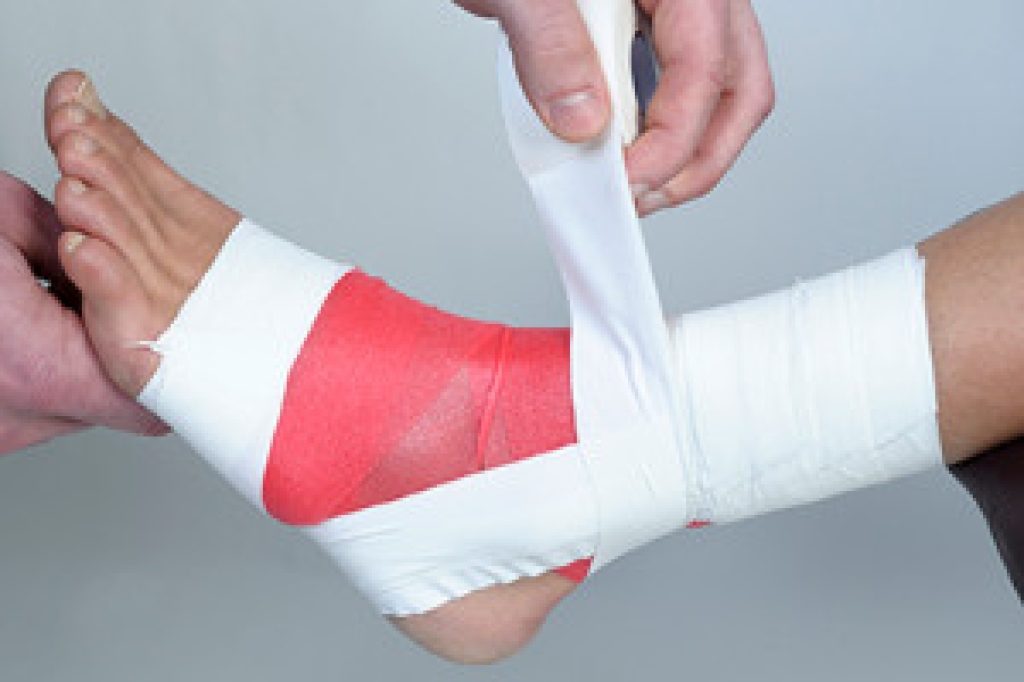
Surgical Options for Ankle Arthritis

Ankle arthritis develops when the smooth cartilage that protects the joint becomes damaged or worn. Without enough cartilage, the bones can rub against each other and make movement painful. Ankle arthritis frequently follows an earlier injury. A serious sprain or fracture can damage the joint and change how weight passes through it. Symptoms include pain, swelling, and stiffness. These problems can make it hard to walk, climb stairs, or remain active. As the damage progresses, bone spurs can form around the joint. These bony growths can further restrict movement and cause pain when the ankle bends.

A podiatrist can determine whether arthritis is causing ankle pain. The examination includes checking the ankle’s motion, stability, and areas of tenderness. X-rays or other imaging tests can reveal cartilage loss, bone spurs, or changes from an old injury. Treatment depends on the amount of joint damage and the patient’s daily needs. A podiatrist may recommend custom orthotics to improve alignment and reduce pressure on the ankle. An ankle brace can add stability and limit painful motion. Changes in activity can also reduce stress on the joint while helping patients remain mobile.

When these treatments do not provide enough relief, a podiatrist can discuss advanced options. An injection can reduce inflammation within the joint for some patients. Surgery may be considered when severe pain limits work, sleep, or basic movement. One procedure removes painful bone spurs that block motion, and is known as an ankle cheilectomy, pronounced ky-LEK-tuh-mee. Ankle fusion joins damaged bones to stop movement at the painful joint. Ankle replacement removes damaged joint surfaces and uses artificial parts to preserve motion. The best choice depends on the patient’s age, joint condition, and activity level. Early evaluation can identify the cause of ankle pain and help protect mobility. If you have symptoms of arthritis in the ankle, it is suggested that you schedule an appointment with a podiatrist for a diagnosis and appropriate treatment.

Ankle pain can have many different causes and the pain may potentially be serious. If you have ankle pain, consult with Glenn Aufseeser, DPM from Lakewood Foot and Ankle Specialists. Our doctor will assess your condition and provide you with quality foot and ankle treatment.

Ankle pain is any condition that causes pain in the ankle. Due to the fact that the ankle consists of tendons, muscles, bones, and ligaments, ankle pain can come from a number of different conditions.

Causes

The most common causes of ankle pain include:

  • Types of arthritis (rheumatoid, osteoarthritis, and gout)
  • Ankle sprains
  • Broken ankles
  • Achilles tendinitis
  • Achilles tendon rupture
  • Stress fractures
  • Tarsal tunnel syndrome
  • Plantar fasciitis

Symptoms

Symptoms of ankle injury vary based upon the condition. Pain may include general pain and discomfort, swelling, aching, redness, bruising, burning or stabbing sensations, and/or loss of sensation.

Diagnosis

Due to the wide variety of potential causes of ankle pain, podiatrists will utilize a number of different methods to properly diagnose ankle pain. This can include asking for personal and family medical histories and of any recent injuries. Further diagnosis may include sensation tests, a physical examination, and potentially x-rays or other imaging tests.

Treatment

Just as the range of causes varies widely, so do treatments. Some more common treatments are rest, ice packs, keeping pressure off the foot, orthotics and braces, medication for inflammation and pain, and surgery.

If you have any questions please feel free to contact our offices located in Lakewood and Manchester Township, NJ . We offer the newest diagnostic tools and technology to treat your foot and ankle needs.


Read more about Ankle Pain

Common Causes of Foot Pain

Foot pain affects your ability to walk comfortably, stay active, and enjoy everyday routines. It may develop gradually or appear suddenly after an injury. Common symptoms include aching, tenderness, or discomfort when putting weight on your feet. Causes range from fractures to plantar fasciitis and ingrown toenails. Risk factors include repetitive stress, poorly fitting footwear, and certain foot structures. Identifying the source of pain is important because each condition requires different treatment. A podiatrist examines your feet and recommends care based on your symptoms and medical history.

A foot fracture occurs when one or more bones crack or break. It may result from a fall, direct impact, or repeated stress from activities such as running. Symptoms often include localized pain, swelling, bruising, and difficulty bearing weight. Some fractures cause immediate, intense discomfort, while stress fractures may develop gradually. A podiatrist may examine the injured area and order X-rays or other imaging tests to confirm the diagnosis. Treatment includes immobilization with a boot or cast, restricted weight-bearing, and surgery for certain severe fractures.


Plantar fasciitis is a common cause of heel pain involving irritation of the plantar fascia, a strong band of tissue supporting the arch. Repetitive strain, prolonged standing, and limited calf flexibility can contribute to this condition. Pain is often strongest with the first steps in the morning or after sitting for a long time. A podiatrist may recommend supportive shoes, custom orthotics, or other treatments to reduce strain and improve comfort.


An ingrown toenail develops when the nail edge grows into the surrounding skin, often affecting the big toe. Wearing tight shoes and improper nail trimming can contribute to redness, swelling, and tenderness. Infection may develop if the skin becomes damaged. A podiatrist safely manages the nail, treats infection when present, and performs a minor procedure if the problem keeps returning. If you have foot pain, it is suggested that you consult a podiatrist for an accurate diagnosis and appropriate treatment.

Foot Pain

Foot pain can be extremely painful and debilitating. If you have a foot pain, consult with Glenn Aufseeser, DPM from Lakewood Foot and Ankle Specialists. Our doctor will assess your condition and provide you with quality foot and ankle treatment.

Causes

Foot pain is a very broad condition that could be caused by one or more ailments. The most common include:

  • Bunions
  • Hammertoes
  • Plantar Fasciitis
  • Bone Spurs
  • Corns
  • Tarsal Tunnel Syndrome
  • Ingrown Toenails
  • Arthritis (such as Gout, Rheumatoid, and Osteoarthritis)
  • Flat Feet
  • Injury (from stress fractures, broken toe, foot, ankle, Achilles tendon ruptures, and sprains)
  • And more

Diagnosis

To figure out the cause of foot pain, podiatrists utilize several different methods. This can range from simple visual inspections and sensation tests to X-rays and MRI scans. Prior medical history, family medical history, and any recent physical traumatic events will all be taken into consideration for a proper diagnosis.

Treatment

Treatment depends upon the cause of the foot pain. Whether it is resting, staying off the foot, or having surgery; podiatrists have a number of treatment options available for foot pain.

If you have any questions, please feel free to contact our offices located in Lakewood and Manchester Township, NJ . We offer the newest diagnostic and treatment technologies for all your foot care needs.

Read more about Foot Pain

Keep Your Feet Healthy So You Can Stay Active

Have your feet inspected by a professional before starting a new sport or physical activity. Taking charge of your foot health will keep you in good physical condition and can help you avoid a potential injury, such as a fracture or sprained ankle.

Prevent injuries and see a foot specialist.

How a Podiatrist Diagnoses and Treats Gait Deviations

Gait describes the pattern an individual uses to walk, while a gait deviation is a change from a balanced walking pattern. A person may limp, shuffle, or take uneven steps, and the body may place more weight on one side. Some patients lift one foot higher because the toes do not clear the ground. Others lean to reduce pressure on a painful foot or ankle. These changes can affect stability and increase strain on other joints. They can make movement tiring and raise the risk of falling.

Gait deviations can begin with foot pain, weak muscles, or limited joint motion. Arthritis, an injury, or a difference in leg length can also change the way a person walks. Nerve problems may reduce feeling or muscle control in the feet. Shoes that fit poorly can contribute by restricting movement or failing to support the foot correctly. A deviation may develop suddenly after an injury or appear gradually as a condition progresses. Warning signs include repeated tripping, uneven shoe wear, or pain that travels into the knee. Hip or lower-back discomfort can develop when the body shifts weight to compensate.

A podiatrist can watch how the feet, ankles, and legs move when walking. The evaluation includes checking joint motion, muscle strength, and balance. The podiatrist may also examine shoe wear and foot alignment. X-rays or other imaging can help identify a bone or joint problem. Treatment depends on the cause and severity of the deviation. A podiatrist may recommend properly-fitted shoes, custom orthotics, or a brace to improve support. A shoe lift can help when one leg is shorter than the other. Care for corns, calluses, or painful joints may also make walking more comfortable. When a serious foot deformity causes ongoing pain, surgery may be considered. If you have deviations in gait that are causing pain, it is suggested that you schedule an appointment with a podiatrist for effective relief and management solutions.

If you have any concerns about your feet, contact Glenn Aufseeser, DPM from Lakewood Foot and Ankle Specialists. Our doctor can provide the care you need to keep you pain-free and on your feet.

Biomechanics in Podiatry

Podiatric biomechanics is a particular sector of specialty podiatry with licensed practitioners who are trained to diagnose and treat conditions affecting the foot, ankle and lower leg. Biomechanics deals with the forces that act against the body, causing an interference with the biological structures. It focuses on the movement of the ankle, the foot and the forces that interact with them.

A History of Biomechanics

  • Biomechanics dates back to the BC era in Egypt where evidence of professional foot care has been recorded.
  • In 1974, biomechanics gained a higher profile from the studies of Merton Root, who claimed that by changing or controlling the forces between the ankle and the foot, corrections or conditions could be implemented to gain strength and coordination in the area.

Modern technological improvements are based on past theories and therapeutic processes that provide a better understanding of podiatric concepts for biomechanics. Computers can provide accurate information about the forces and patterns of the feet and lower legs.

Understanding biomechanics of the feet can help improve and eliminate pain, stopping further stress to the foot.

If you have any questions please feel free to contact our offices located in Lakewood and Manchester Township, NJ . We offer the newest diagnostic and treatment technologies for all your foot and ankle needs.

Read more about The Importance of Biomechanics in Podiatry

Connect With Us